

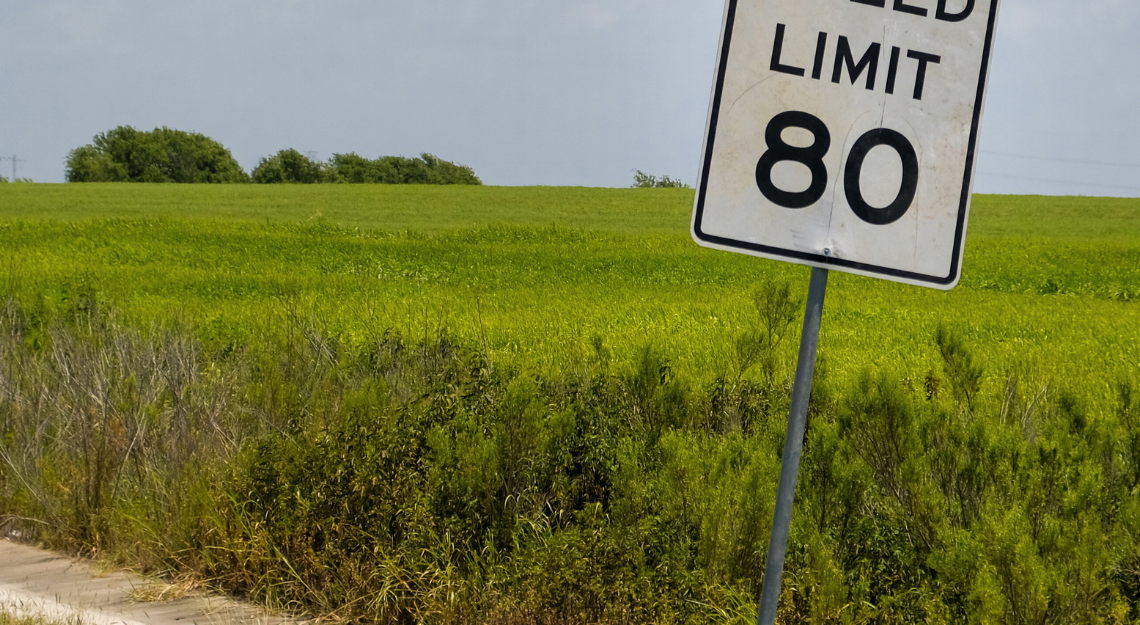
Drivers often assume Texas has one universal speed limit — but that’s not how the law works. If you’ve ever wondered what is the speed limit in Texas, the real answer depends on where you’re driving, the type of road, and current conditions. Understanding Texas speed limits can help you avoid tickets and know when a citation may be worth fighting.
Texas Does Not Have One Single Speed Limit
Texas sets speed limits based on roadway type, location, and safety studies. While posted speed limit signs control in most situations, Texas law also requires drivers to travel at a speed that is reasonable and prudent for conditions — even if that means driving below the posted limit.
This is why drivers can still receive tickets even when “keeping up with traffic.” As explained in our article on whether speeding is illegal in Texas, exceeding the limit — even slightly — can still result in a citation.
Common Speed Limits in Texas
While limits vary by roadway, these are the most common posted speed limits across Texas:
- Residential streets: 30 mph (unless otherwise posted)
- Urban streets: 30–45 mph
- Farm-to-market roads: 60–70 mph
- State highways: 70 mph
- Rural interstates: 75 mph
- Select highways: Up to 80 mph (highest posted speed limit in the U.S.)
Even on roads with higher limits, drivers must adjust speed for weather, traffic congestion, construction, or visibility issues.
School Zones and Construction Zones
Texas enforces reduced speed limits in school zones and active construction areas. These zones are strictly monitored, and penalties are higher. Speed limits may drop significantly during posted hours or when workers are present.
Violations in these areas are less likely to be dismissed casually, especially if the speed creates a safety risk. If you’re cited in one of these zones, reviewing your options in our guide on how to beat a speeding ticket in Texas can help.
Is Driving Over the Limit Always Criminal?
Most speeding violations in Texas are treated as low-level offenses, but extreme speed can escalate the situation. Going far above the posted limit may result in more serious charges.
Texas does not define a specific number as “criminal speed,” but courts often treat excessive speed as reckless driving. Learn more in our breakdown of criminal speed in Texas and how it differs from a basic speeding ticket.
Can You Go to Jail for Exceeding the Speed Limit?
Simply driving over the speed limit will not land most drivers in jail. Jail time is typically only possible when speeding is combined with reckless behavior, racing, or ignored court obligations.
For a full explanation of when penalties escalate, see can you go to jail for speeding in Texas.
What Happens If You’re Caught Speeding?
If you exceed the posted speed limit, you may receive a citation requiring payment or a court appearance. Paying the ticket results in a conviction that may affect your driving record and insurance.
However, many drivers qualify for dismissal or deferral options — including defensive driving courses or deferred disposition. If a ticket is dismissed, it typically does not appear as a conviction. Learn more in this guide on dismissed tickets and driving records.
Why Knowing the Speed Limit Matters
Understanding speed limits helps you drive legally — but it also helps you know when a ticket may be challengeable. Factors like unclear signage, speed traps, or changing limits can play a role in whether a citation is valid.
If you’ve been cited, reviewing how lawyers dismiss traffic tickets can give insight into common defenses used in speed-related cases.
Key Takeaway
So, what is the speed limit in Texas? It depends on the road — from 30 mph on residential streets to as high as 80 mph on select highways. Posted signs control, but Texas law still requires safe driving based on conditions. If you receive a speeding ticket, you may have options beyond simply paying the fine.
For next steps, visit our Traffic Ticket Dismissal FAQs or reach out through our contact page for help understanding your options.