

Residential speeding tickets are some of the most common — and some of the most misunderstood — traffic violations in Texas. Drivers often ask, what is the speed limit in a residential area in Texas? The answer is straightforward, but there are important exceptions and enforcement details that can make a big difference if you’re ticketed.
The Default Speed Limit in Texas Residential Areas
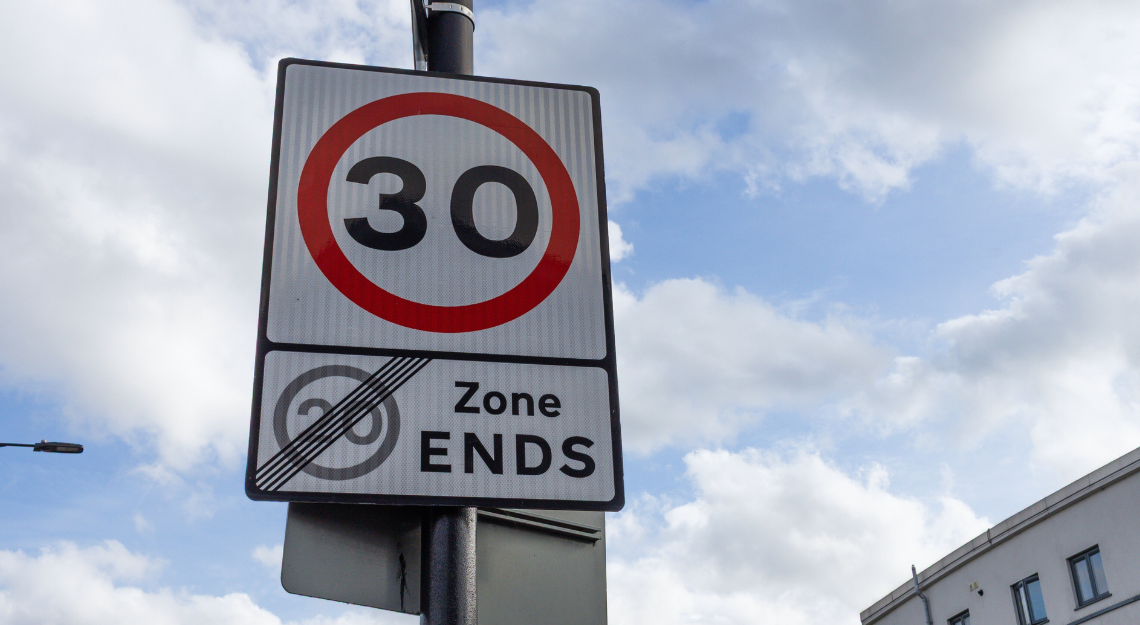
In Texas, the default speed limit in most residential neighborhoods is 30 miles per hour, unless a different speed is clearly posted. This applies to streets in housing developments, neighborhoods, and other areas primarily used for residential purposes.
Even if there is no speed limit sign visible, Texas law assumes the 30 mph limit applies. This catches many drivers off guard and is one reason residential speeding tickets are issued so frequently.
When Residential Speed Limits Are Lower
Some residential areas have posted speed limits lower than 30 mph. These reductions are often based on safety studies and may apply when:
- The street is narrow or has limited visibility
- There is heavy foot traffic or frequent pedestrian crossings
- The area is near parks, playgrounds, or community centers
- Local ordinances set a reduced neighborhood speed limit
If a sign is posted showing a lower limit — such as 20 or 25 mph — that posted speed controls and is fully enforceable.
Residential Streets vs. School Zones
Residential speed limits are separate from school zone limits. School zones typically have reduced speed limits during specific hours when children are present. These limits are often 20 mph and are strictly enforced.
Speeding in a school zone carries higher fines and fewer dismissal options. If you’re unsure how your ticket was classified, reviewing whether speeding is illegal in Texas can help clarify how the law is applied.
Is Speeding in a Residential Area a Criminal Offense?
Most residential speeding tickets are classified as Class C misdemeanors. These are low-level offenses that usually result in fines rather than jail time.
However, excessive speed in a neighborhood — especially when pedestrians or children are present — can escalate the situation. Extremely high speeds may be charged as reckless driving. Learn more about where courts draw that line in what is considered criminal speed in Texas.
Can You Go to Jail for Speeding in a Residential Area?
For standard residential speeding, jail time is unlikely. Jail typically only becomes a risk when speeding is combined with reckless driving, racing, or ignoring court requirements.
We explain these situations in more detail in can you go to jail for speeding in Texas, including what behaviors put drivers at higher risk.
What Happens If You Get a Residential Speeding Ticket?
If you’re cited for speeding in a residential area, you’ll typically be required to either pay the fine or appear in court. Paying the ticket results in a conviction that may affect your driving record and insurance rates.
However, many drivers qualify for dismissal options such as defensive driving courses or deferred disposition. If successful, the ticket may never appear as a conviction. You can learn how this works in this guide on dismissed tickets and driving records.
How Residential Speed Limits Are Enforced
Residential areas are frequently monitored using radar, laser devices, and patrol enforcement. Officers often prioritize these areas due to safety concerns, especially during peak hours when children and pedestrians are present.
If you believe your ticket was issued in error — due to unclear signage or speed measurement issues — understanding how lawyers dismiss traffic tickets can help you identify possible defenses.
Key Takeaway
The standard speed limit in a residential area in Texas is 30 mph unless a lower limit is posted. Even without signage, the law assumes this limit applies. While most residential speeding tickets are minor, excessive speed can carry serious consequences. Knowing the limit — and your options if cited — can help protect your record.
If you’ve received a ticket and want to explore dismissal options, visit our Traffic Ticket Dismissal FAQs or reach out through our contact page for guidance.