

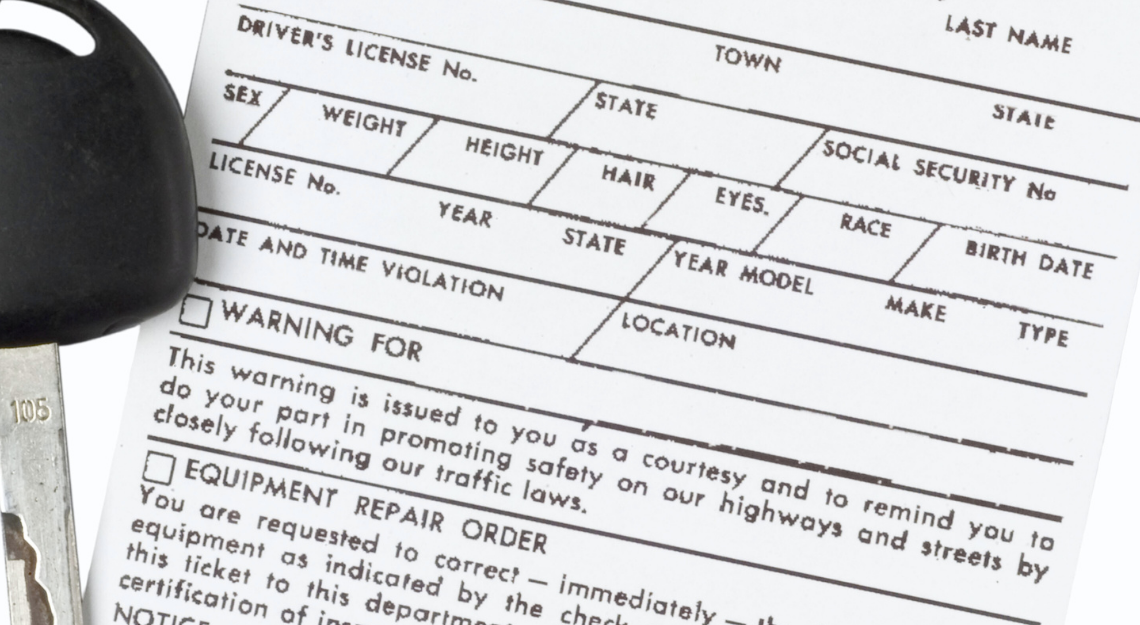
Many Texas drivers want to know how many points is a speeding ticket in TX because points can quietly lead to higher insurance rates and license issues. While Texas no longer uses the old point-based surcharge system, speeding tickets can still affect your record in ways that feel very similar.
Does Texas Still Use a Point System?
Texas officially eliminated its Driver Responsibility Program in 2019, which was the system that added points and surcharges through the Texas DPS. Under that program, speeding tickets added points that triggered annual fees.
However, even though the formal point system is gone, speeding tickets still impact your driving record and insurance. Insurance companies often use their own point systems when determining rates.
How Many Points Is a Speeding Ticket in Texas Today?
For Texas DPS purposes, speeding tickets no longer carry official points. That said, insurance companies typically treat speeding violations as if they carry points:
- Minor speeding violations: Often treated as 1–2 points by insurers
- Higher-speed violations: May be treated as 2–3 points
- Multiple tickets: Can significantly increase premiums or trigger policy review
This is why many drivers still refer to “points” when discussing speeding tickets, even though the state system changed.
Why Speeding Tickets Still Matter Without Points
Even without DPS points, speeding tickets can:
- Appear as convictions on your driving record
- Increase auto insurance premiums
- Flag you as a higher-risk driver
- Limit future dismissal or deferral eligibility
This is especially important for drivers who already have violations on their record.
Does Speed Affect the Impact on Your Record?
Yes. The faster you’re driving over the limit, the more seriously the violation is treated. Excessive speed can increase fines and may be viewed more harshly by insurers.
To understand where speed becomes more serious under Texas law, review what qualifies as criminal speed in Texas.
Residential and High-Risk Speeding Violations
Speeding in residential areas, school zones, or construction zones often carries higher penalties and insurance impact.
If your ticket occurred in a neighborhood, knowing the applicable limit is critical. See Texas residential speed limits and Texas speed limits by road type for clarification.
What Happens If You Just Pay the Ticket?
Paying a speeding ticket is a guilty plea. Once paid, the violation becomes a conviction that insurers can see — even without DPS points.
That’s why many drivers explore dismissal options instead of paying outright. Our guide on how to beat a speeding ticket in Texas explains common strategies.
Can a Speeding Ticket Be Kept Off Your Record?
Yes. Eligible drivers may be able to keep a speeding ticket from becoming a conviction by:
- Completing a defensive driving course
- Requesting deferred disposition
- Resolving the ticket before judgment
If a ticket is dismissed, it generally does not appear as a conviction on your record. Learn more in this guide to dismissed tickets and driving records.
Understanding the Real Cost of a Speeding Ticket
Beyond insurance, speeding tickets can cost hundreds in fines and fees. For a breakdown of typical costs, see Texas DPS speeding ticket cost.
Key Takeaway
Texas no longer assigns official DPS points for speeding tickets, but violations still affect your driving record and insurance. In practice, insurers often treat speeding tickets as point-based violations.
If you’ve been cited, understanding your dismissal options could save you money long-term. For more answers, visit our Traffic Ticket Dismissal FAQs or contact us through the contact page.